Yomitan Through the Seasons: A No-Nonsense Calendar for Visitors and Potential Expats

Photo by Photo by Yu Kato on Unsplash on Unsplash
One of the most common questions we hear from Americans considering Yomitan — whether for a two-week vacation or a longer stay — is some version of "when should I go?" It's a fair question, and the answer is more nuanced than "it's Okinawa, it's always warm." Yomitan has a real seasonal identity, and timing your visit (or your move) around that rhythm can make an enormous difference in your experience.
This guide breaks it down season by season, with practical packing notes, festival highlights, and honest talk about the less glamorous parts — yes, including typhoon season.
The Lay of the Land: Yomitan's Climate Basics
Yomitan sits on the central west coast of Okinawa's main island, at roughly the same latitude as Miami or the Canary Islands. That means a subtropical climate with warm, humid summers, mild winters, and a rainy season that arrives before the heat peaks. Compared to mainland Japan, winters are dramatically gentler — temperatures rarely dip below the mid-50s Fahrenheit. Summers, on the other hand, are legitimately intense.
For Americans used to a continental climate with four distinct seasons, Yomitan's calendar feels different. Think of it less as spring-summer-fall-winter and more as: pleasant season, rainy season, typhoon-and-heat season, and the golden window in between.
January–March: The Underrated Sweet Spot
Winter in Yomitan is mild enough to feel like early spring in most of the continental US. Daytime temperatures hover in the low-to-mid 60s°F, with occasional dips into the upper 50s at night. The sea is too cool for comfortable swimming, but everything else is remarkably pleasant.
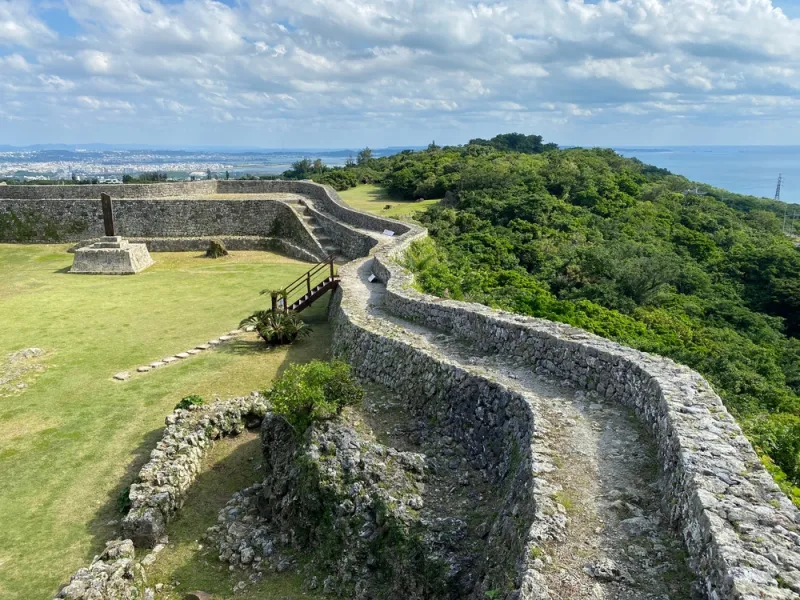
This is arguably the best time for sightseeing. Crowds are thin, prices are lower, and the quality of light is extraordinary — photographers especially love this window. You can walk Yomitan's coastal paths, visit Zakimi Castle, and wander through Yachimun no Sato (the pottery village) without battling summer heat or tourist traffic.
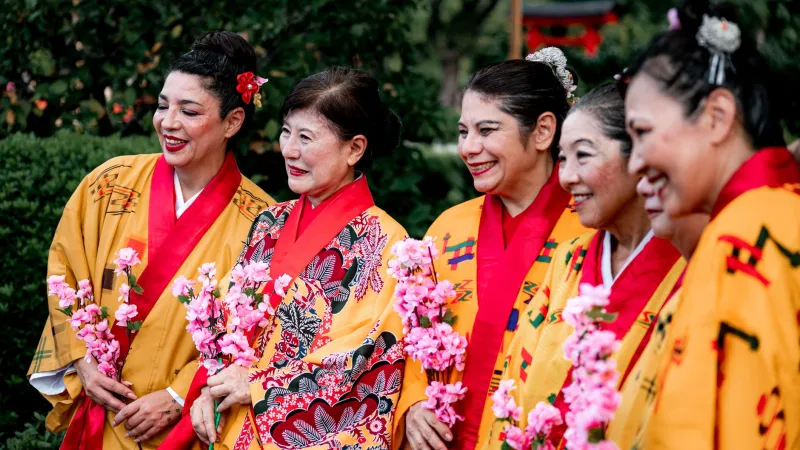
Cherry blossoms arrive in Okinawa significantly earlier than mainland Japan — often in late January or early February. Yomitan's blossoms are quieter and less publicized than those at Nago's famous festival to the north, but that's part of the appeal. You can find blooming trees near local parks and temple grounds without fighting through crowds.
What to pack: A light jacket or layer for evenings, comfortable walking shoes, and a rain layer — winter showers happen. Leave the heavy coats at home.
April–May: Peak Season for Good Reason
This is when Yomitan really shines. Temperatures climb into the mid-70s°F, the ocean begins to warm up, and the landscape turns vivid green. The Golden Week holiday period in late April through early May brings more domestic Japanese tourists to Okinawa, so accommodation books up fast and some spots get busier than usual — but even then, Yomitan tends to feel calmer than Naha or the resort strips to the south.
Spring is festival season in a broad sense. Local community events, agricultural observances tied to the lunar calendar, and cultural performances happen throughout April and May. Keep an eye on the Yomitan village calendar — some of the best experiences here aren't advertised in English, and stumbling into a neighborhood festival is one of those travel moments you'll talk about for years.
For potential relocators: Spring is an excellent time to explore the village as a place to live. The weather is ideal for walking neighborhoods, visiting schools, and getting a realistic sense of daily life before committing to a move.
What to pack: Light layers, swimwear (the water's getting there), sunscreen, and good walking shoes.
June–July: Rainy Season, Then Sudden Summer
The tsuyu (rainy season) typically arrives in Okinawa in early June and lasts several weeks. Don't let the name fool you — it's not constant rain. It's more like extended gray skies with frequent heavy downpours interspersed with warm, muggy breaks. Outdoor plans require flexibility.
Once tsuyu lifts, usually by late June or early July, summer arrives fast and hard. Temperatures push into the upper 80s and low 90s°F, with humidity that makes it feel hotter. The beaches fill up — Yomitan's coastline is genuinely beautiful, and summer is when locals and visitors alike take full advantage of it.
What to pack: A compact umbrella or packable rain jacket for June. For July, prioritize breathable fabrics, serious sunscreen, a hat, and reef-safe sunscreen if you're snorkeling or swimming near coral.
August–September: Typhoon Season — Real Talk
Okinawa sits squarely in the western Pacific typhoon belt, and August through September is peak season. Typhoons can be serious — some years bring multiple storms that cause flight cancellations, road closures, and days-long disruptions. Most years also have long stretches of clear, beautiful weather between storms.
For tourists: this is a higher-risk travel window. If you visit during these months, build flexibility into your itinerary and have a backup plan for weather delays. Travel insurance that covers weather disruptions is genuinely worth it here.
For expats and long-term residents: typhoon preparedness is just part of life in Yomitan. Locals are experienced and matter-of-fact about it. Stock up on water and supplies, know where your nearest shelter is, and follow village alerts. The community aspect of weathering a storm together is actually one of those bonding experiences that new residents often mention.
What to pack: Lightweight summer clothes, a sturdy umbrella, and — if visiting in September — a contingency plan.
October–November: The Second Sweet Spot
If spring is Yomitan's most celebrated window, fall is its best-kept secret. Typhoon season winds down, temperatures drop to a very comfortable mid-70s°F range, and the summer crowds evaporate. The ocean stays warm enough for swimming well into November, making this an ideal combination of beach weather and sightseeing conditions.
October also brings the Shurijo Castle Festival in nearby Naha (easy day trip territory from Yomitan) and various local harvest and cultural events tied to the end of the agricultural calendar. Yomitan's pottery studios and artisan workshops tend to be active during this period, making it a great time for anyone interested in the arts scene.
What to pack: Swimwear still earns its place in your bag. Add a light jacket for evenings as November progresses.
December: Quiet, Warm, and Genuinely Lovely
December in Yomitan is what some American visitors describe as "suspiciously pleasant." While the rest of the Northern Hemisphere bundles up, Yomitan sits in the low-to-mid 60s°F with clear skies and very manageable crowds. It's not beach weather, but it's excellent for everything else.
Holiday decorations appear — Japan has enthusiastically adopted Christmas as a commercial and social occasion — and the village takes on a relaxed, end-of-year warmth. For Americans considering relocation, arriving in December gives you a realistic preview of the quieter side of village life.
The Bottom Line: When Should You Go?
For a first-time visitor: late January through May or October through November offer the best combination of weather, accessibility, and cultural activity.
For beach-focused trips: July through early August if you're willing to navigate typhoon risk; October if you want warm water without the intensity of peak summer.
For potential relocators doing a scouting trip: April or October — both seasons give you an honest, flattering picture of what daily life actually looks like.
For budget-conscious travelers: January through February — lower prices, fewer tourists, and cherry blossoms as a bonus.
Yomitan rewards visitors who take the time to understand its rhythm rather than just dropping in. However you time your visit, the village has a way of making you feel like you arrived at exactly the right moment.