From Outsiders to Ohana: How American Expats Are Weaving Themselves Into Yomitan's Fabric
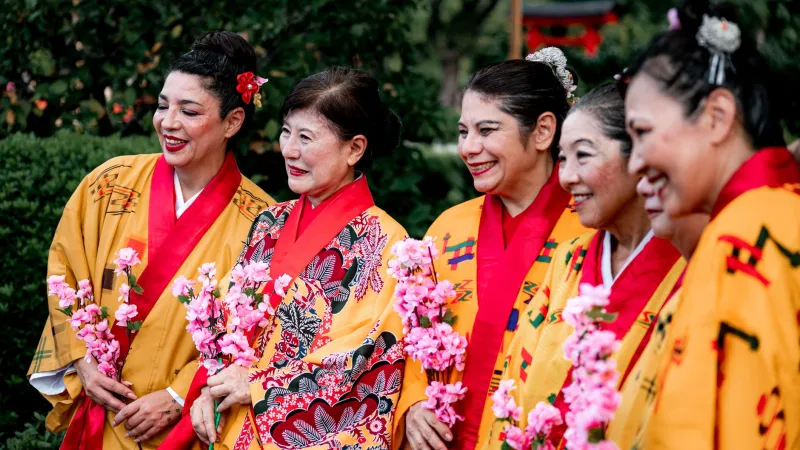
There's a small coffee shop tucked along a side street near Yomitan's central district. The menu is handwritten in both English and Japanese. The owner, a woman from Portland who arrived eight years ago following her Okinawan husband, sells locally sourced drip coffee alongside traditional sata andagi donuts. On any given Tuesday morning, you might find a retired schoolteacher from Ohio chatting with a local fisherman, both stumbling through a shared language that's half English, half Japanese, and entirely their own.
This is Yomitan in 2024 — a village where the boundaries between visitor and resident, foreign and local, are getting pleasantly blurry.
A Village That's Always Been at a Crossroads
Yomitan has a complicated relationship with outside influence. The village was heavily impacted by World War II and spent decades with portions of its land under U.S. military jurisdiction. That history left marks — some painful, some surprisingly connective. Many of the first long-term American residents came through military ties, married locals, and simply never left. Today, their adult children speak fluent Uchinaaguchi (the Ryukyuan dialect), run local businesses, and serve on neighborhood committees.
But a newer wave of arrivals tells a different story. Remote workers, artists, retirees, and entrepreneurs — people who discovered Yomitan through Instagram reels or a friend's recommendation — are choosing the village deliberately, not by circumstance. And village officials have taken notice.
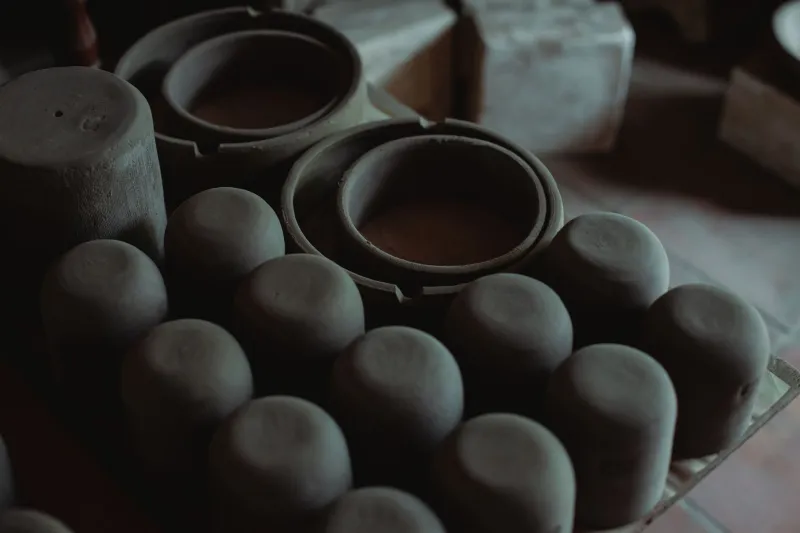
"We see people who did research," says one Yomitan municipal office representative who works with foreign resident registration. "They know about the pottery. They know about the beaches. They want to be part of something quieter than Naha but still connected."
Building Roots, Not Just Routines
For many expats, integration starts with the basics: getting a driver's license, navigating the local grocery co-op, figuring out which neighborhood association meetings require attendance. But those who stick around long enough say the real shift happens when the village starts calling on them.
Mark, a former graphic designer from Austin who relocated five years ago, found himself volunteering to help redesign signage for a local cultural festival after a community leader spotted his portfolio. "I came here thinking I'd just live quietly and surf," he laughs. "Now I'm on a committee."
That kind of organic integration seems to be the norm rather than the exception in Yomitan. Unlike larger expat hubs like Tokyo or Osaka, where foreign residents can comfortably exist in parallel social bubbles, Yomitan's scale — roughly 40,000 residents — makes invisibility harder. Neighbors notice you. Neighborhood associations expect participation. And for many Americans, that accountability turns out to be exactly what they were looking for.
New Businesses, New Blends
The economic footprint of the expat community is modest but real. A handful of English-friendly restaurants, yoga studios, surf schools, and guesthouses have opened over the past decade, most of them run by or in partnership with foreign residents. These businesses tend to attract both international visitors and curious locals, creating informal meeting points that didn't exist before.
One surf instructor from California who has been operating near Zanpa Beach for six years describes his clientele as "half tourists, half Yomitan kids who wanted to learn from someone different." He's since partnered with a local fishing family to offer combo ocean experiences — surfing in the morning, traditional net fishing in the afternoon. It's become one of the more quietly popular offerings in the area.
Local business owners are largely positive about the trend, though some raise thoughtful concerns about keeping the village's character intact. "We don't want to become another tourist town," one longtime ceramics shop owner told us. "But people who live here, who join our festivals and learn our customs — they're not tourists. They're neighbors."
The Language Bridge
One of the most practical ways expats are contributing is simply by existing as a bilingual resource. English-speaking residents frequently assist neighbors with translation, help local businesses craft international-facing social media content, and occasionally serve as informal cultural liaisons when foreign visitors show up with questions the tourist office isn't staffed to handle.
Several local elementary schools have welcomed parent volunteers from the expat community to participate in English conversation programs — a low-key but meaningful exchange that gets kids comfortable with American accents and cultural references beyond what textbooks provide.
What Would-Be Relocators Should Know
If Yomitan is calling your name, a few practical realities are worth understanding before you book a one-way ticket.
Housing is more affordable than Naha or Tokyo, but inventory is limited. Many expats find their first place through word of mouth rather than listing sites. Connecting with the existing community online before you arrive goes a long way.
Language matters more here than in larger cities. Basic Japanese — and ideally some exposure to Okinawan cultural customs — will open doors that English alone won't. The village isn't hostile to monolingual English speakers, but effort is noticed and rewarded.
Community involvement is less optional than it might seem. Neighborhood associations (jichikai) handle everything from trash collection schedules to local event planning. Showing up to those meetings, even if you only understand half of what's said, signals that you're serious about belonging.
Visa pathways vary widely. Some residents are here on spousal visas, others on business manager visas tied to their local enterprises, and a growing number are exploring Japan's new digital nomad visa options. The Yomitan municipal office has staff who can point you toward the right resources, and the expat community's informal network is genuinely helpful for navigating bureaucracy.
A Future Written Together
Yomitan isn't reinventing itself for outsiders. The pottery traditions are still thriving, the fishing boats still go out before dawn, and the eisa drumming at summer festivals still raises the hair on your arms. But the village is quietly making room for new voices in that story — and finding that those voices, when they show up with humility and genuine curiosity, have something real to add.
The coffee shop near the central district closes early on Wednesdays so the owner can attend her neighborhood association meeting. She brings homemade sata andagi. Everyone seems to appreciate that.