Skip the Crowds: Finding Yomitan's Most Unspoiled Stretches of Coast
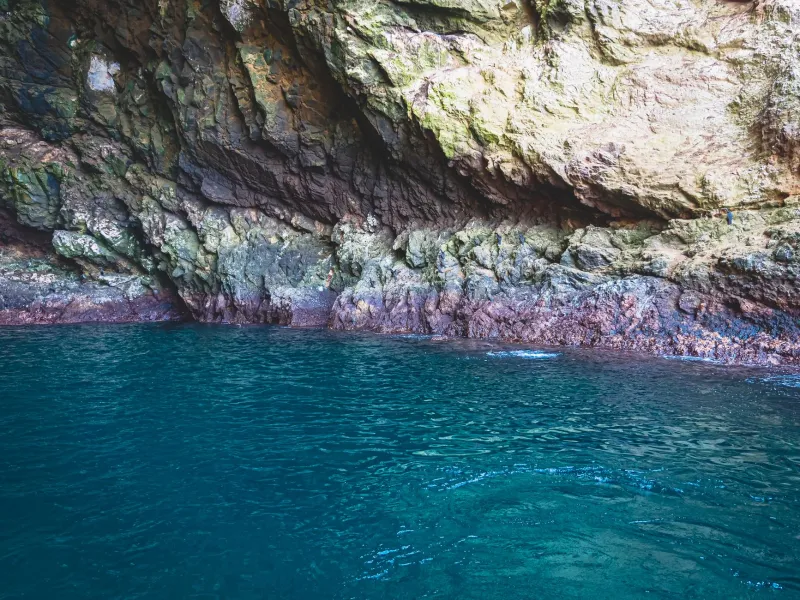
Walk down almost any side road in Yomitan that angles toward the East China Sea, and you'll eventually hit a patch of coast that looks like it was forgotten by the tourism industry — on purpose. No beach chairs stacked in rows, no coconut-scented sunscreen vendors, no selfie sticks. Just limestone outcroppings, water that shifts from jade to deep cobalt, and maybe a retired fisherman sitting on a cooler watching the tide.
That's the thing about Yomitan. It's not a secret in the dramatic sense — locals aren't hiding it. It's more that the village simply never marketed itself the way its neighbors did, and somehow that restraint became its greatest gift to anyone willing to take the slower road.
Why Yomitan's Coast Hits Different
Yomitan occupies a bulging peninsula on Okinawa's central west coast, which means it gets the full benefit of East China Sea sunsets without sitting directly on the tourist highway that funnels visitors between Naha and the resort strip of Onna Village. The coastline here is characterized by dramatic karst topography — those jagged limestone formations that make Okinawa's geography so visually distinct from anything you'd find on a Hawaiian beach vacation.
The cliffs aren't just pretty. They create natural coves and tidal pools that act as wind breaks, meaning the water stays calmer than you'd expect for an open sea facing coast. Snorkeling conditions can be genuinely excellent from late April through October, with visibility often exceeding 30 feet on clear-sky mornings.
Three Coastal Spots Worth Seeking Out
Zanpa-Misaki Area Beyond the Lighthouse Trail
Cape Zanpa is technically on the tourist radar — the lighthouse appears in enough Instagram posts that you'll see a few visitors during peak season. But most people photograph the lighthouse and leave. If you follow the cliff-top walking path southward past the cape itself, you'll find a series of rocky inlets that get almost zero foot traffic. The terrain is uneven and you'll want closed-toe shoes, but the payoff is a stretch of coast where the only sounds are wind and the rhythm of waves working against limestone.
Local surfer Kenji, who grew up in Yomitan and still lives in the village, puts it plainly: "Everyone knows Zanpa lighthouse. Nobody walks past it. We've been surfing the break just south of there for twenty years and I've never seen a tourist join us."
Toguchi Beach's Northern End
Toguchi Beach itself appears on some maps, and on summer weekends the central section draws Okinawan families for picnics and swimming. But the northern stretch, past a cluster of fishing boats that stay moored there most of the week, is a different story. The sand is coarser and the shoreline narrows, but the water color is extraordinary — a layered gradient that looks almost digitally enhanced on clear days. Arrive before 9 a.m. and you'll likely share the space with no one except maybe someone casting a line from the rocks.
The Coves Near Nirai Beach
Nirai Beach is a small, beloved local spot — not secret exactly, but not on any major travel itinerary. The beach itself is worth a visit, but the real discovery is the series of shallow coves accessible by scrambling along the rocks to the right when facing the water. At low tide, these form natural swimming pools with sandy bottoms and enough coral to keep a snorkeler entertained for an hour. A local woman named Haruko, who has lived in the area her entire life, described these coves as where she brought her children every summer weekend for years. "We called it our private pool," she said, laughing. "We knew other people could find it if they tried, but nobody bothered."
When to Go and What to Bring
The honest answer on timing: almost any month works, but the window from late April through June offers the best combination of warm water, manageable humidity, and pre-rainy-season clarity. July and August bring intense heat and the occasional typhoon — not a dealbreaker, but something to plan around. September and October are underrated months when sea temperatures are still high, crowds have thinned, and the light turns golden earlier in the evening.
Winter visits (December through February) are for the hardy. Water temperatures drop enough to make swimming uncomfortable for most, but the coastline is dramatically beautiful in a moody, windswept way that's completely different from the postcard version.
For gear, bring water shoes or old sneakers for the rocky sections — flip flops are fine for sandy beaches but will make you miserable on limestone. A basic snorkel set is worth packing from home; rental options near these spots are limited. Sunscreen is non-negotiable, and Japanese convenience stores (there's a FamilyMart near central Yomitan) stock surprisingly good reef-safe options.
The Local Etiquette Nobody Tells You About
Yomitan residents treat these coastal areas as extensions of their neighborhood — because they are. A few unwritten rules go a long way toward making sure these places stay welcoming. Don't leave trash, obviously, but also be thoughtful about noise and music. These spots are valued precisely because they're quiet. If you encounter local fishermen or families, a simple nod and smile reads as respectful; attempting a few words of Japanese is even better received.
Parking near the more remote spots requires some navigation. Most accessible points have small pull-offs or unpaved lots that can handle a few cars. Renting a compact car or scooter from Naha or the nearby Kadena area gives you the flexibility to explore without worrying about bus schedules.
What These Beaches Actually Offer American Visitors
For travelers coming from the US, the appeal isn't just the scenery — it's the contrast. If you've done the Hawaii circuit, you know what a heavily managed beach experience looks like. Yomitan's coast is the opposite of managed. There's no lifeguard, no beach rental stand, no wristband system. What there is: genuine solitude, water that rewards the effort to reach it, and the quiet satisfaction of having found something real.
That's what this village has always offered, if you look past the pottery shops and the highway signage. A version of Okinawa that still belongs, mostly, to the people who live here.