Yomitan Month by Month: What's Really Happening When the Tourists Aren't Looking
Most seasonal guides for Okinawa stop at "rainy season: May–June, typhoon season: July–September, best weather: October–November." That's not wrong, exactly. But it's the kind of information that tells you what to pack, not what to experience. Yomitan has its own internal clock — agricultural, ecological, cultural — and once you understand it, your timing decisions get a lot more interesting.
January and February: The Quiet That Isn't Empty
Winter in Yomitan surprises most first-time visitors. Temperatures hover in the mid-60s Fahrenheit, occasionally dipping lower at night, and the wind off the East China Sea has real bite to it. Crowds are minimal. Accommodation prices drop. And the light — the low, flat winter light over the water — is genuinely beautiful in a way that summer's haze never quite allows.
These months are also prime time for birdwatching along the coastal wetlands and agricultural fields. Yomitan's farming areas attract wintering shorebirds, including species making their way through the East Asian-Australasian Flyway. You don't need to be a serious birder to appreciate a field full of herons doing exactly what herons do while sugarcane sways around them.
For anyone considering a longer stay or relocation, January and February offer the most honest version of daily life here. The village breathes differently without summer's energy. Morning markets are quieter. Pottery studios in Yachimun no Sato are often more accessible for longer conversations with artists. It's a good time to learn whether you actually love Yomitan or just love the idea of it.
March and April: The Bloom Before the Rain
Spring arrives early and enthusiastically. By late February, the island's hibiscus and deigo trees are already showing color, and March brings the kind of warm, breezy days that make you want to eat lunch outside every single day. This is arguably Yomitan's most pleasant window — warm but not humid, clear but not harsh.
The agricultural calendar starts picking up. Yomitan's farming community, particularly around its sugarcane and vegetable growing areas, enters an active planting and early harvest phase. Local farm stands and markets begin restocking with fresh produce that won't be available again until next season.
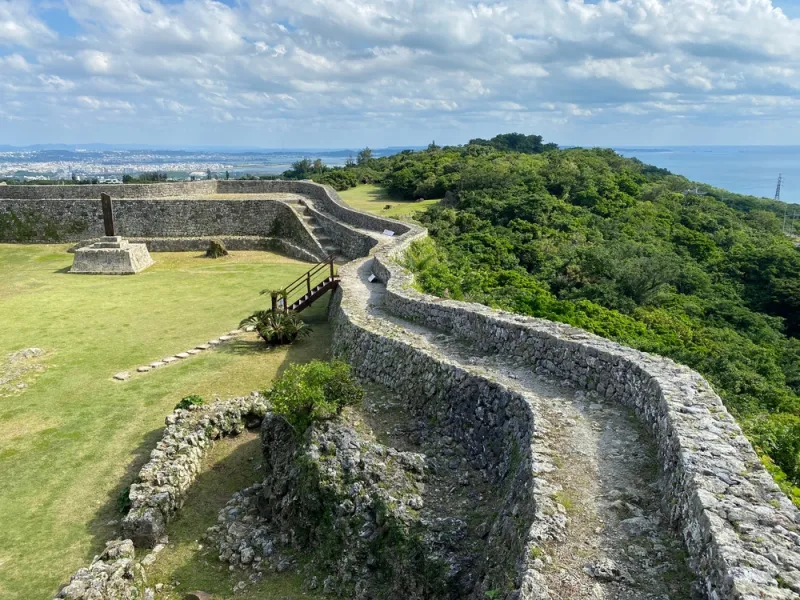
Culturally, spring in Okinawa carries the weight of memory. Late March and early April mark the period surrounding the Battle of Okinawa's anniversary, and while the major commemorations happen elsewhere on the island, Yomitan — which was an early landing point for Allied forces in 1945 — has its own quiet acknowledgments. Community gatherings and local ceremonies during this period aren't publicized widely, but they're part of the fabric of village life for longtime residents.
May and June: Rainy Season, Reframed
Tsuyu, the plum rain season, runs roughly from mid-May through late June. It rains, sometimes a lot. But "rainy season" in Okinawa isn't the same as, say, monsoon conditions in Southeast Asia. You'll get gray days, intermittent downpours, and occasional stretches of overcast stillness. You'll also get afternoons that clear suddenly into something extraordinary.
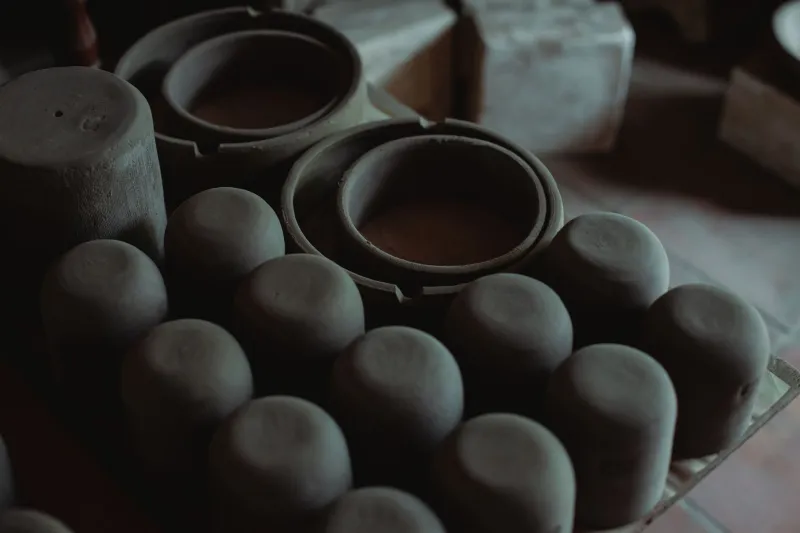
This is when Yomitan's pottery culture becomes especially compelling. The indoor, tactile nature of ceramics feels perfectly matched to a gray afternoon. Studios are open, artists are working, and the tourist pressure that peaks in summer hasn't arrived yet. If you've ever wanted to take a serious pottery class without competing for spots, May and June are your window.
The ocean temperature climbs into the high 70s by June, making it genuinely swimmable. The crowds haven't caught up yet, which means beaches that will be packed in August are still relatively quiet. Local divers know this and take full advantage.
July and August: Peak Season, Peak Everything
This is when Yomitan's beaches earn their reputation. The water is warm, clear, and impossibly blue. The island's tourism infrastructure runs at full capacity. Okinawan families from the mainland arrive in force alongside international visitors, and the energy is genuinely festive — but so are the crowds.
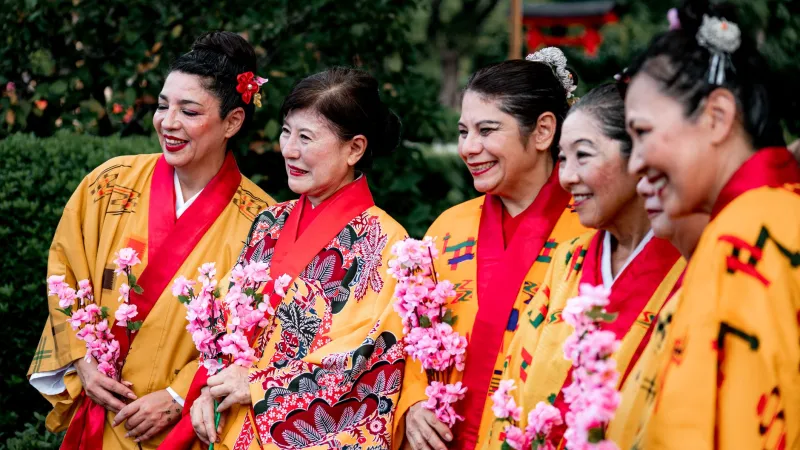
For expats and longer-term visitors, summer offers some of the most vibrant community events of the year. Eisa drumming performances — a traditional Okinawan dance form tied to the Obon festival period — take place in late July and August across the island. Yomitan has its own local Eisa groups, and watching a neighborhood performance rather than a staged tourist show is an entirely different experience. Ask locals; these events aren't always advertised in English.
The typhoon caveat is real but often overstated for planning purposes. Okinawa does get hit — sometimes significantly — but the Japanese meteorological system is excellent, warnings come well in advance, and locals manage the disruptions with practiced efficiency. Most typhoons pass within 24 to 48 hours. The bigger issue for travelers is the humidity, which peaks in August and is simply relentless. Early mornings and late afternoons are your friends.
September and October: The Exhale
September is transitional. Typhoon risk remains through mid-month, tourism begins tapering, and the humidity starts — slowly, gratefully — releasing its grip. By late September, the quality of the air changes in a way that's hard to articulate but immediately noticeable if you've been through a full summer here.
October is widely regarded by Yomitan's expat community as the single best month to be on the island. Temperatures settle into the low-to-mid 80s, the water is still warm from summer, the crowds have thinned, and the light returns to something more dimensional. The fishing communities along the coast enter a more active period as water temperatures support different species, and early-morning visits to the harbor have a particular energy.
Migratory birds begin appearing again in coastal areas, different species now than winter's visitors — this is a stopover point on the southward autumn migration. The landscape itself seems to shift register.
November and December: The Understated Stretch
November slides toward what Okinawans call their "winter" — still mild by any American mainland standard, but noticeably cooler, especially in the evenings. This is excellent hiking and cycling weather. Yomitan's inland areas, less visited than its beaches, reward exploration during these months when the heat is no longer a deterrent.
December brings a quietness to the village that feels earned. Year-end community events, local markets with seasonal crafts, and the particular atmosphere of a place settling into its slower rhythms — these are the things that make Yomitan feel like a village rather than a destination. For anyone on the fence about whether this is somewhere they could actually live, December is a useful test.
The practical upside: accommodation rates drop again, flights to Okinawa from Tokyo and Osaka are cheaper, and you'll have some of the best spots to yourself.
The Bottom Line on Timing
There's no bad time to visit Yomitan — there are just different versions of it depending on when you arrive. The summer version is vibrant and social and hot. The winter version is quiet and photogenic and a little windswept. Spring and fall offer the most balanced experience for first-timers. And if you're thinking about living here, honestly? Try to spend time in at least two different seasons before you commit. The village reveals itself slowly, and it's worth getting to know all of it.