Unwritten Rules: A Survival Guide to Yomitan's Social Etiquette (For Americans Who'd Rather Blend In)
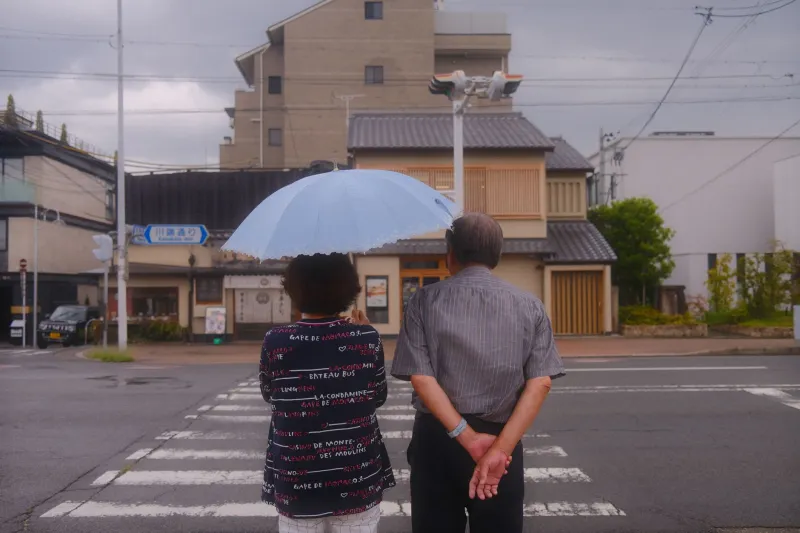
Nobody hands you an etiquette manual when you land in Okinawa. In Yomitan, the rules live in the pauses, the nods, and the little rituals everyone else seems to already know. I learned most of mine the embarrassing way, so consider this your shortcut.
The Greeting Hierarchy Is Real
In an American suburb, you wave at everyone roughly the same way. In Yomitan, greetings have levels. A neighbor you pass on the road gets a small bow and a "haisai" (that's the Okinawan version of hello — and using it instead of the standard Japanese "konnichiwa" earns you instant points). An elderly neighbor deserves a deeper bow and both hands visible, not buried in your pockets.
The rule of thumb: match the energy of the oldest person in the interaction. If a grandmother greets you formally, do not respond with a surf-bro chin nod. I learned this one at the Yomitan post office, and I still think about it during traffic stops.
Shoes Off, Ego Off
You know the shoe thing. You think you know the shoe thing. Then you'll stand in a genkan (entryway) holding your sneakers like a raccoon while trying to figure out whether this particular household wants them on, off, or turned around to face the door.
The safe play: shoes off unless explicitly told otherwise, socks in good repair (see: raccoon moment), and shoes neatly turned toward the door. Restaurants with tatami flooring count too. When in doubt, look for the shoe rack. There is always a shoe rack.
Gift-Giving: The Whole Economy of "Omiyage"
Here's where Americans consistently fumble. In the States, you show up empty-handed and nobody blinks. In Yomitan, arriving at someone's home with nothing is like showing up to a Thanksgiving potluck with a fork and no dish.
- Omiyage (souvenir gifts) are expected when you return from any trip, even a weekend in Naha. Boxed cookies from the airport count. Nobody's judging the price.
- Temiyage is the when-you're-invited-over version — a nice fruit basket, a box of Beni-imo (purple sweet potato) sweets, or anything from the pottery village.
- Present it with both hands and a slight bow. Receiving works the same way. Handing over a gift with one hand while scrolling your phone is a crime I have witnessed and will never forget.
Graveyards Are Social Spaces — Really
This one surprises every American. Okinawan family tombs (the big turtle-back stone structures you'll see on hillsides all over Yomitan) aren't somber places of mourning the way a US cemetery is. During Obon and spring equinox, families picnic at them. Kids run around. Someone's uncle plays the sanshin.
If you're ever invited to a tomb visit, go. Clean the tomb area, bring flowers or offerings if asked, and don't treat it like a haunted house in a horror movie. Reverence here looks a lot like joy.
Festival Etiquette: Watch First, Then Join
Yomitan's festivals — the Yomitan Matsuri, the Zakimi Castle events, village eisa dance performances — are community affairs, not tourist shows. A few ground rules:
- Don't stand in front of seated elders for photos. Ever.
- Ask before photographing performers up close, especially kids practicing eisa.
- Accept the drink. If someone offers you awamori or a cup of tea at a festival, refusing flatly reads as rejection. Take it, toast, sip. You're not obligated to finish it.
- Tip nothing. Tipping isn't just unnecessary — it can genuinely confuse people. Your money stays in your wallet.
The Silence Thing
Americans fill silence like it's a fire alarm. Okinawan conversation, especially with older villagers, is comfortable with pauses. Don't rush to fill them. Some of my warmest exchanges with Yomitan neighbors involved long stretches where neither of us said anything, just watching the sugar cane sway.
You'll Mess Up Anyway — That's Fine
Here's the secret: nobody in Yomitan expects you to be Japanese, or even Okinawan. They expect you to try. The villager who watches you bow slightly too deep or hand over your omiyage with the wrong hand isn't keeping score. They're noticing that you bothered.
In a village of 40,000, effort is the currency. Spend it generously and you'll be surprised how quickly "that American" becomes just another neighbor.