Clay, Kilns, and the Real Deal: A Hands-On Day in Yomitan's Pottery District
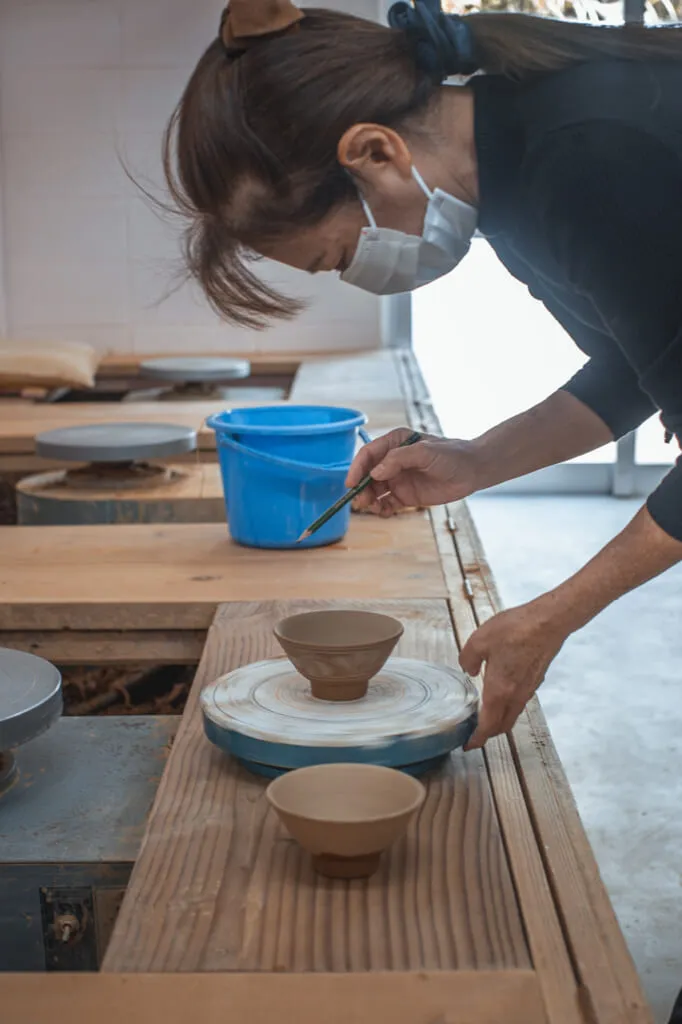
Photo: okinawan pottery wheel throwing studio traditional ceramics, via s3.voyapon.com
There's a moment in every pottery studio when the wheel spins up and your brain completely empties. Your hands are suddenly in charge, and they have no idea what they're doing. That's roughly where I found myself on a Tuesday morning in Yomitan's Yachimun-no-Sato, a hillside cluster of workshops where Okinawan ceramics have been made for generations — and where, for a couple thousand yen, a working potter will let you humiliate yourself at his wheel.
What Yachimun Actually Means
"Yachimun" is the Okinawan word for pottery, and the dialect matters. It signals a tradition that runs deeper than the Japanese mainland's famous kiln towns — a lineage that traces back through trade with China and Southeast Asia, then through the Ryukyu Kingdom's own golden age of ceramics. When potters here say yachimun, they're not being cute. They're staking a claim.
The district itself is small enough to walk in an afternoon: a handful of studios, a couple of galleries, and the big communal climbing kiln (noborigama) that fires several times a year. That kiln is the heart of the place. When it fires, the whole neighborhood smells like woodsmoke, and potters from different workshops pull their pieces out together, comparing results like guys comparing fishing hauls.
Souvenir Shelf vs. Studio Shelf
Here's the uncomfortable truth: a lot of what's sold as "Okinawan pottery" in tourist shops was never touched by a potter. Mold-cast, factory-glazed, shipped in by the pallet. It's not fake, exactly — but it's the difference between a printed poster and a painting.
How to spot the real thing:
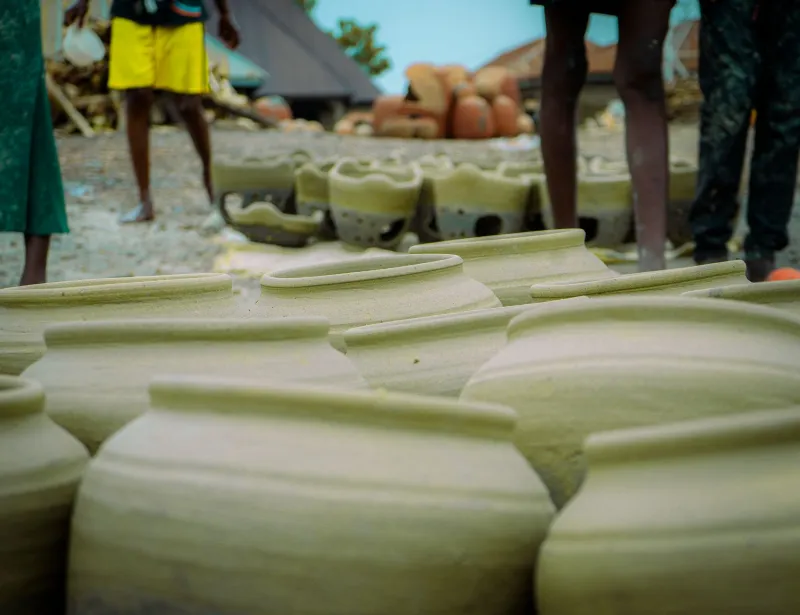
- Look underneath. Hand-thrown pieces show throwing rings, slight asymmetry, maybe fingerprints near the foot. Perfectly uniform = machine.
- Feel the glaze. Traditional Okinawan glazes (that honey-brown amakarada, the mottled kinta with iron flecks) pool and break over the surface unevenly. That's the point.
- Ask who fired it. Any legit studio will happily tell you about their kiln. If the answer is vague, walk out.
- Expect imperfection to cost more. A hand-thrown yunomi (tea cup) might run 2,000–4,000 yen. That's not a markup; that's a person making it.
Taking a Lesson (Even If Your Hands Are Thumbs)
Several studios around Yachimun-no-Sato offer one-off wheel and hand-building sessions aimed at visitors. Book ahead — many potters work alone and can't drop everything for a walk-in. English instruction varies, but pottery is weirdly language-proof: watch, copy, get corrected.
A few honest expectations:
- Your first bowl will look like a bowl that's been through some things. Everyone's does.
- Many studios offer air-dry or paint-and-take options if you're not staying long enough for a full firing cycle. Real firing and glazing can take weeks, so if you want your piece shipped, ask about international postage up front. Expect it to take a month or more to reach the US and pack accordingly — studios generally wrap things like they're shipping eggs to a paranoid relative.
- Cash is still king at smaller workshops.
Make an Afternoon of It
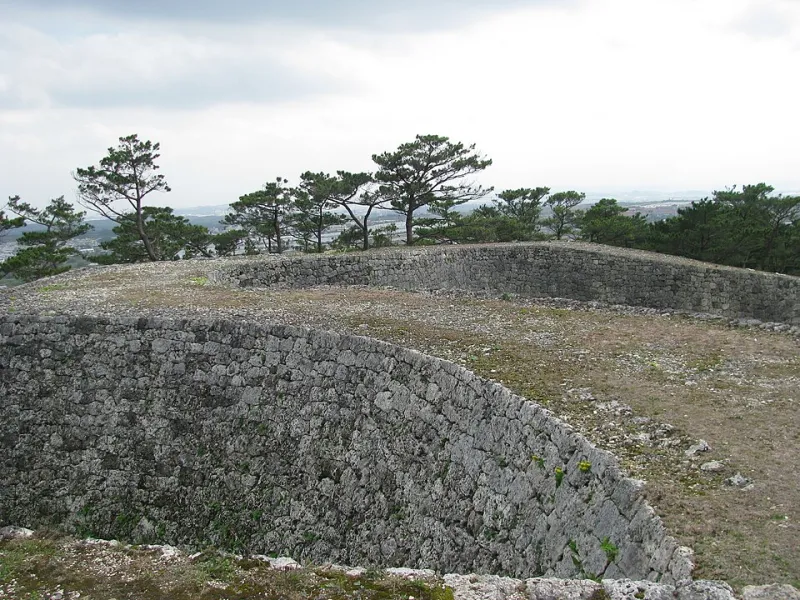
Pair the pottery village with the Yomitan Pottery Village road itself, which connects down toward Zakimi Castle ruins — a fifteen-minute walk that gives you a kiln-to-fortress history lesson in one stretch. Grab lunch at one of the cafés along the way (several serve meals on the studio's own ware, which is a nice touch), then browse the galleries with actual buying intentions rather than a just-looking stroll. The potters notice the difference.
If you only take home one thing from Yomitan, make it something a stranger's hands made while you watched. It weighs more than a fridge magnet in every sense.