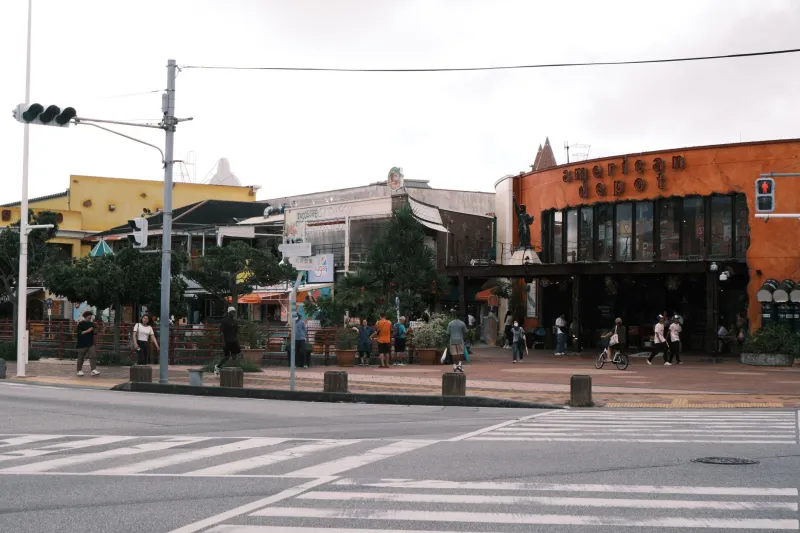
Winds, Warnings, and Weird Calm: Surviving Typhoon Season as an American in Yomitan
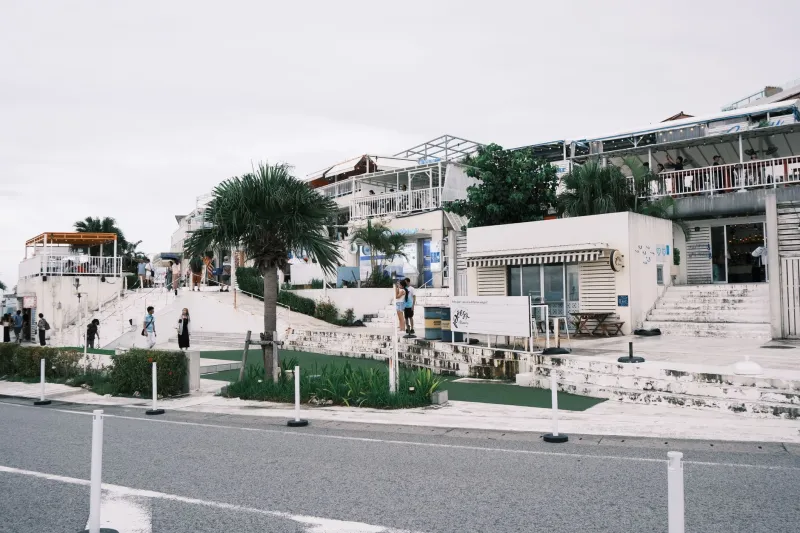
The first time a typhoon warning pops up on your phone in Yomitan, there's a good chance your stomach drops a little. You've seen the footage. You know the words. But here's the thing nobody tells you before you move to Okinawa: most of the time, your neighbors are responding to that same alert by heading out to top off their gas tanks and grab a few extra bags of chips. Not exactly the evacuation-mode energy you might expect.
Typhoon season in Yomitan — which runs roughly from May through November, with the real action clustering between July and September — operates on its own logic. And the sooner you understand that logic, the less anxious you'll be when the skies go gray and the wind starts doing things you've never seen wind do before.
First, Understand What You're Actually Dealing With
Okinawa sits in the direct path of some of the Pacific's most active typhoon corridors, and Yomitan, perched on the western coast of the island, gets the full experience. These storms can be genuinely powerful — gusts exceeding 100 mph are not unheard of. But here's the critical context: Okinawa has been building and rebuilding around typhoons for generations. The architecture reflects it. Most structures in Yomitan are reinforced concrete, built low and heavy, designed to let storms pass over rather than through them.
Your American instinct might be to compare this to hurricane prep back home. That comparison is useful up to a point, but don't let it hijack your response. The infrastructure here is specifically engineered for this. That doesn't mean you ignore warnings — it means you calibrate your reaction to match the local reality rather than your worst-case mental imagery.
The Warning System Decoded
Japan uses a typhoon warning system that can feel confusing at first, especially since most of the official alerts come through in Japanese. The key levels to know are the 暴風警報 (bōfū keihō), or storm warning, and the 暴風雪警報 in winter months. Apps like Safety Tips (available in English and specifically designed for foreign residents in Japan) are genuinely worth downloading before you need them.
Yomitan's municipal emergency broadcasts will also alert you through outdoor speakers — a slightly surreal experience when you hear calm, recorded Japanese instructions echoing across the village while palm trees bend sideways outside. The US military bases on Okinawa use their own TCCOR (Tropical Cyclone Condition of Readiness) system, which many American expats monitor as a secondary reference even if they're not affiliated with the military. It's practical, it's in English, and it gives you a real-time sense of how serious things are getting.
What to Actually Have Ready
Local wisdom here is your best resource. Ask a neighbor — seriously, just ask. Yomitan residents have a quiet, practiced efficiency about typhoon prep that they're usually happy to share with newcomers. The general household checklist that most locals follow looks something like this:
- Water: Fill bathtubs and stock bottled water. Tap service can be interrupted.
- Food: Three to five days of non-perishables. Convenience stores will be stripped bare the day before a big storm.
- Flashlights and battery banks: Power outages happen. Your phone is useless if it's dead.
- Tape or storm shutters: If your windows don't have shutters — and some older or converted homes don't — tape won't stop glass from breaking, but it can reduce shattering. Better to find out before the storm whether your place has shutters.
- Cash: ATMs and card readers go down. Have yen on hand.
- Medications and important documents: In a waterproof bag, accessible quickly.
One thing that catches a lot of Americans off guard: don't wait until the warning is issued to shop. By then, the shelves at the local grocery stores and FamilyMarts near Route 58 are already looking thin. The locals start quietly stocking up a day or two before the official warnings, and you should too.
During the Storm: The Part Nobody Talks About
Once a serious typhoon makes landfall or passes close enough to put Yomitan in the thick of it, there's a strange suspended quality to the day. Schools close. Businesses shut. The roads empty out. And then there's just... waiting.
For Americans used to riding out storms with Netflix and delivery apps, this can feel disorienting. Internet and power may cut in and out. The noise — and it is genuinely loud, a sustained roar that's unlike anything most people have heard — can be unsettling even when you know intellectually that your concrete walls are doing their job.
A few things that help: Don't open doors or windows to check on things. It sounds obvious, but curiosity gets people hurt every season. Stay away from windows even if they seem secure. And if anxiety is genuinely getting to you, having a group chat with other expat friends going through the same storm in real time is surprisingly grounding. You're not alone in feeling rattled — you're just all rattled together.
The Unexpected Upside: Typhoon Community
Here's what the weather apps genuinely cannot prepare you for: the social dimension of typhoon season in Yomitan. There's a specific kind of community bonding that happens when the whole village is collectively hunkered down. Neighbors check on each other. People share food. The day after a storm passes, there's an almost festive energy as everyone comes outside to assess damage, clear debris, and compare notes.
If you've been struggling to break into the social fabric of village life — which, as many expats will tell you, can take patience — typhoon aftermath is one of the most natural entry points. Grab a broom. Help clear the street. Accept the tea your neighbor offers. These small moments accumulate into something real.
After the Storm Clears
Post-typhoon Yomitan has its own rhythm. Debris cleanup starts almost immediately — locals don't linger in the disruption. Report any damage to your landlord promptly and document everything with photos. If you're renting, make sure you understood your lease's terms around storm damage before typhoon season starts, not after.
The coast, particularly around Zanpa Cape and the beaches you may have been visiting all summer, often looks dramatically different after a big storm. Erosion, displaced sand, and debris are common. Give it a few days before heading back out to assess.
Typhoon season in Yomitan is real, it deserves respect, and it will test your patience at least once. But it's also deeply manageable when you approach it the way locals do: with preparation, practicality, and the understanding that this is just part of the rhythm of living somewhere genuinely extraordinary.